A cluster auto scaler is a Kubernetes tool that automatically adjusts the number of nodes (servers) in your cluster. It acts like a savvy manager, adding more servers during traffic spikes to prevent slowdowns and removing them during quiet periods to cut costs. This dynamic adjustment ensures your applications have the resources they need without…
Let's get one thing straight from the start. The core difference is simple: hybrid cloud connects your private infrastructure to a public cloud, making them work as one unified system. Multi-cloud, on the other hand, means you’re using services from several different public cloud providers, and these services don’t necessarily talk to each other.
It…
Monitoring your cloud services is all about keeping a close eye on the health, performance, and availability of your entire cloud setup. Think of it as the instrument panel for your digital operation. It gives you the real-time data you need to stop problems before they start, keep costs in check, and make sure your…
Trying to run a cloud environment without a clear view of what’s happening is like flying blind. You might be fine for a while, but you’re heading for trouble. Cloud monitoring is your instrument panel, the collection of practices and tools you use to keep an eye on the health of your applications and infrastructure…
EC2 Spot Instances are your ticket to unlocking some truly massive savings on your AWS bill. By tapping into Amazon's unused compute capacity, you can often run workloads for up to 90% off the standard On-Demand price.
The concept is brilliantly simple: you get access to powerful computing resources for pennies on the dollar. The…
EC2 Spot Instances are one of the best ways to slash your Amazon Web Services (AWS) bill, offering a massive discount of up to 90% compared to standard On-Demand pricing. But there’s a catch. In exchange for those deep savings, AWS can reclaim these resources at any time, giving you just a two-minute warning.
This…
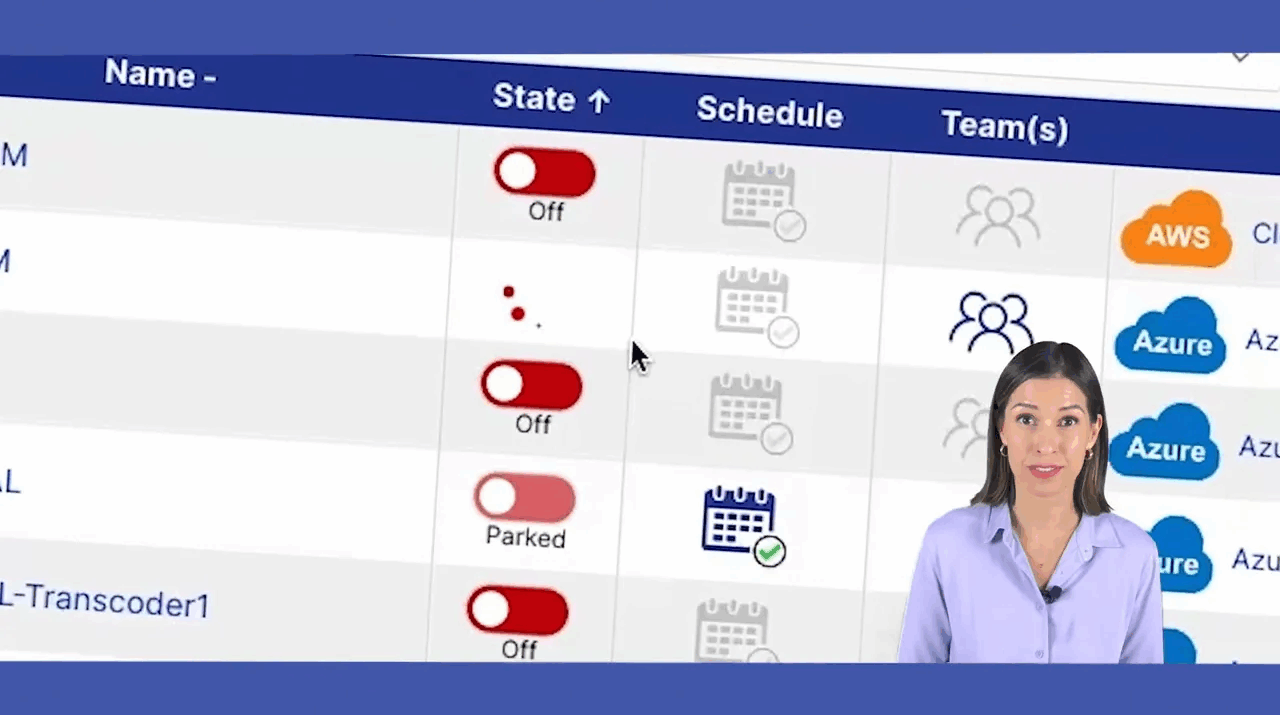
Resource scheduling is the simple but powerful practice of turning off cloud resources when they are not in use. Think of it like turning off the lights in an empty office to save on the electricity bill. This strategy targets one of the biggest hidden costs in tech: paying for idle infrastructure. It’s a foundational…
That rising cloud bill can be a real gut punch. You moved to the cloud for its power and flexibility, but now the costs are spiraling, turning a strategic tool into a financial headache. The good news? "Optimizing" your cloud setup isn't about slashing capabilities. It's about making smart, targeted tweaks to build an asset…
Cloud costs can be sneaky. You would not leave your car engine running when you park and walk away, yet many teams leave cloud resources running when they are not being used. In this post I explain how to stop wasting money and time by powering off idle cloud resources, how scheduling can fit remote…
CLOUD TOGGLE is a simple but powerful way to give teams control over their cloud virtual machines while cutting waste and freeing your DevOps team to focus on higher value work. CLOUD TOGGLE, is a lightweight tool that lets users safely request temporary access to start a VM for a fixed period. Here I expand…